
Massive's Quiet Reset: A Player's View From 2026
I still remember where I was when I read that Massive Entertainment was moving into a voluntary redundancy scheme. It was late 2025, and I was sitting at my desk with a half-finished cup of coffee, scrolling through the news like any other player. I am not an analyst, and I do not have a spreadsheet full of studio budgets. But I have played enough Ubisoft games to feel the shift in the air. From where I sit in 2026, that moment looks less like a single studio story and more like a warning label on the whole big-budget game business.
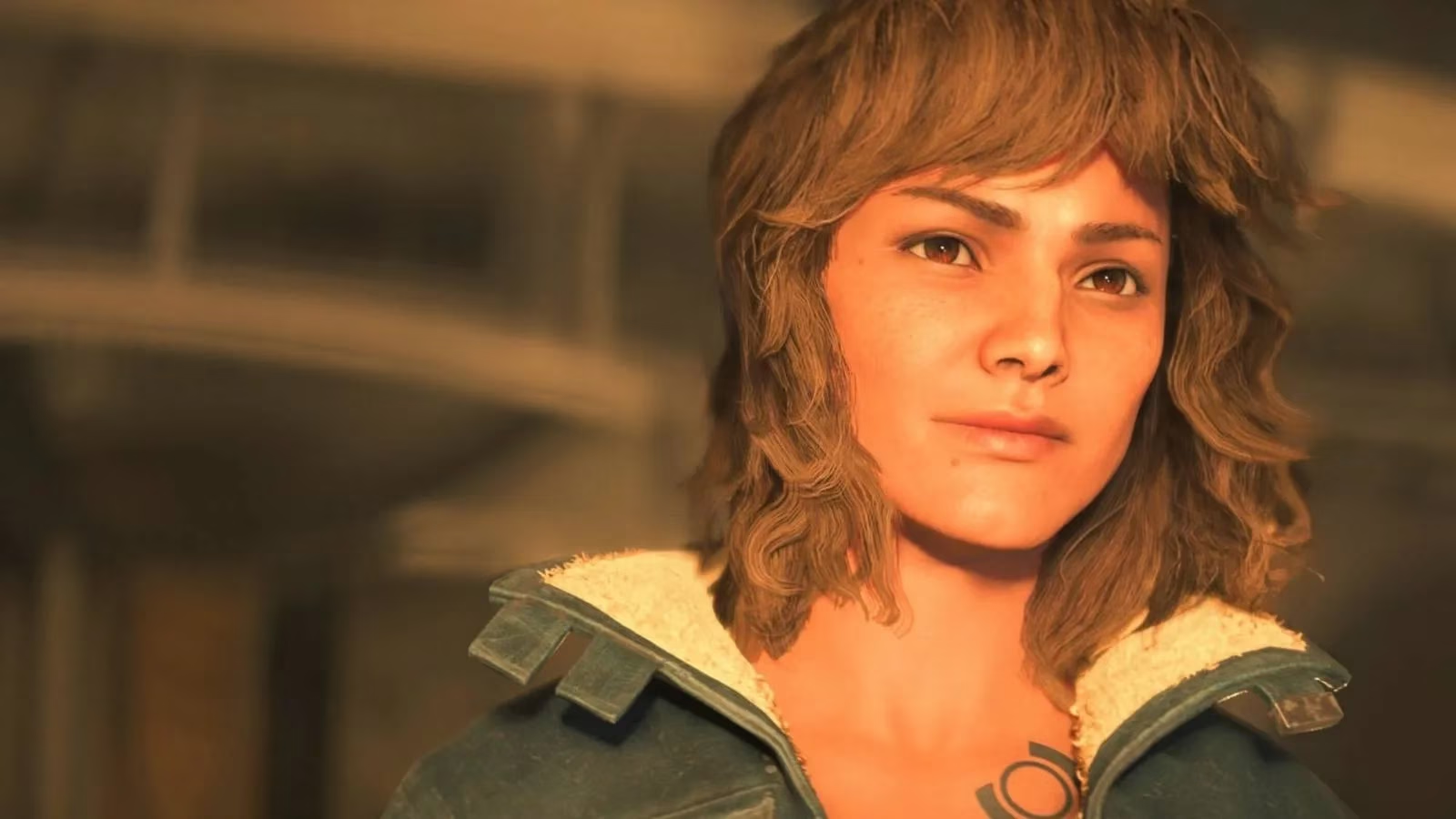
The statement described the move as part of an ongoing evolution and long-term planning. Massive had realigned its teams and resources to strengthen its roadmap, with a continued focus on The Division franchise and the technologies that power its games, including Snowdrop and Ubisoft Connect. To support that transition responsibly, the studio introduced a voluntary career transition program. Eligible team members could take their next career step on their own terms, backed by a package that included financial and career assistance. I read that sentence more than once. It is careful, corporate, and almost gentle on the surface. Underneath, it is a door being held open for people to leave.
The part that stuck with me was what the statement named. It mentioned The Division 2, The Division 2: Survivors, The Division Resurgence, and The Division 3. It did not mention Avatar: Frontiers of Pandora. It did not mention Star Wars Outlaws. There was no nod to another single-player venture. For a studio that had just released two big single-player games back to back, that silence felt loud. I had friends who bought Avatar for the scenery and friends who bought Star Wars Outlaws hoping for a scoundrel fantasy. Some of them enjoyed themselves. Some of them bounced off. I kept wondering whether extra updates or a Switch 2 port had done enough to change the story. The studio's new roadmap pointed somewhere else entirely.
That is the thing about playing games in 2026. We see the finished product, the patch notes, the DLC, the sales charts, and the press releases. We do not see the meetings where a team is reshaped. We do not see the people who take a voluntary package because the alternative feels uncertain. Reports, especially from French outlet Le Figaro, suggested the scheme was voluntary, with Ubisoft encouraging developers to step down with a severance package. But I kept asking myself the obvious question: what happens if not enough people take the offer? Nobody in the statement answered that. Maybe nobody could.
| What I saw | How it felt as a player |
|---|---|
| A voluntary redundancy program | A soft word for a hard moment |
| A focus on The Division | A safe harbor, or a smaller room |
| Snowdrop and Ubisoft Connect named | Technology as the through-line |
| No Avatar or Star Wars mention | The single-player era quietly closing |
| Reports of a voluntary scheme | A plan that may not stay voluntary |
I do not want to pretend I know what is best for Massive. I loved The Division for its snowbound streets and its strange loneliness. I admired Avatar for its impossible landscapes. I wanted Star Wars Outlaws to be better than it was, and I suspect I was not alone. But wanting a game to succeed does not pay salaries. It does not keep a studio intact. When a company says it is realigning resources, I now hear a more human sentence underneath: some people will choose to go, and some will wait to see what happens next. 🎮
The wider Ubisoft picture did not make me feel calmer. In the same week, Assassin's Creed franchise boss Marc-Alexis Côté claimed he had been ousted from the company, even though initial reports said he had stepped down. That contradiction mattered to me. It suggested a company in motion, with stories changing faster than the public can track. I have watched Ubisoft stumble before, but this felt different. It felt like a studio being asked to become smaller and sharper at the same time, with no guarantee that either goal would work.
By 2026, the conversation has moved on, as it always does. New games are announced, old ones are patched, and players find new things to argue about. But I still think about that statement. It was polite, professional, and sad in the way that corporate language often is. The Division is a world of collapse and recovery, of agents rebuilding something from rubble. There is an irony there that I cannot quite shake. Massive is now betting on that world, and on the technology beneath it, while stepping back from the single-player adventures that once made it feel unpredictable. I will keep playing The Division. I will keep watching the studio. And I will keep hoping that the people behind the games land on their feet, whether they stay or go. ✅