
Star Wars Outlaws' European Sales Fell Short of Jedi: Survivor, and the Lesson Still Stings
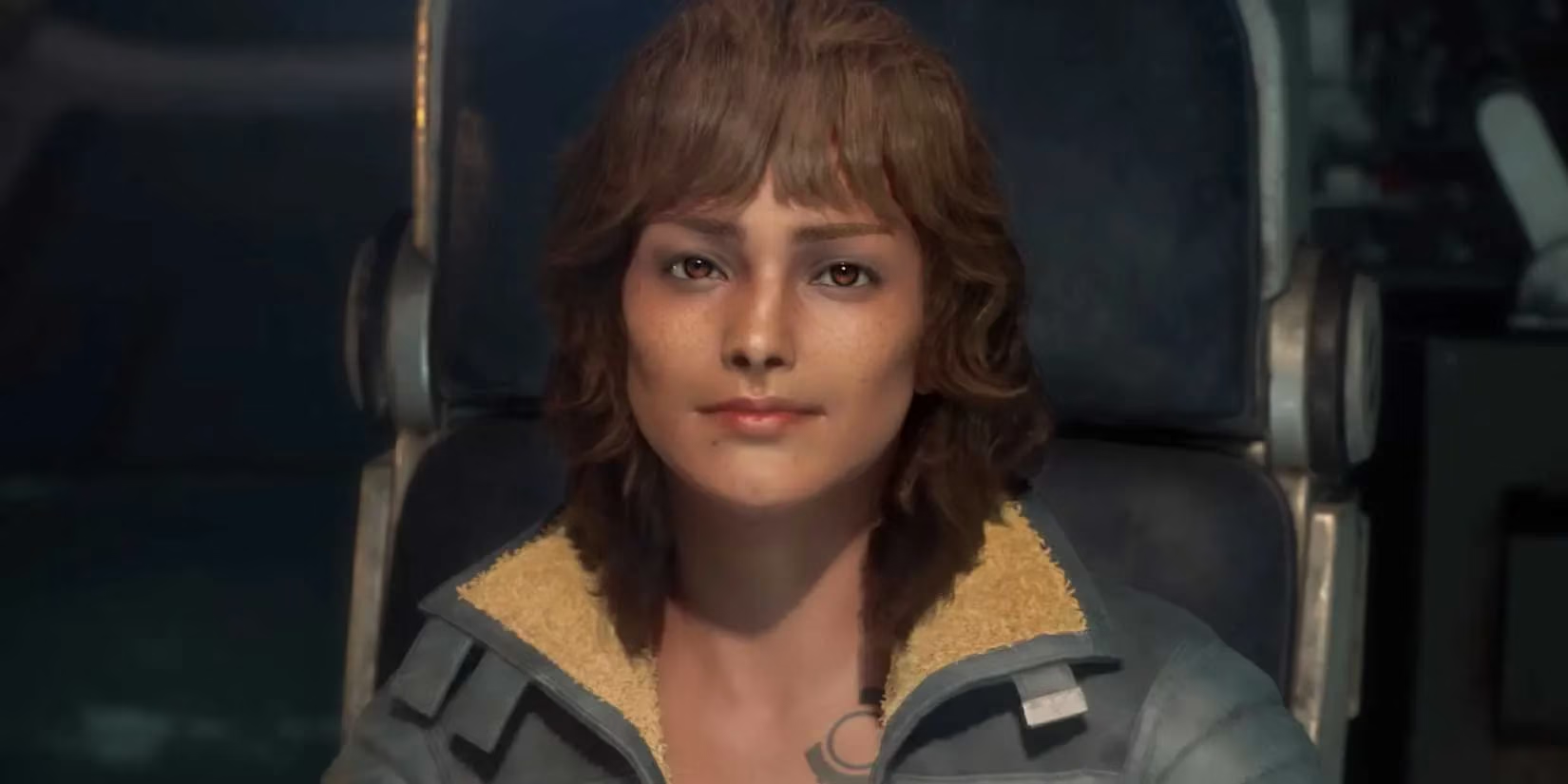
When Star Wars: Outlaws arrived in August 2024, Ubisoft framed it as the first open-world Star Wars game and a triple-A blockbuster in waiting. The pitch had obvious weight: Kay Vess, a scoundrel fantasy, seamless planets, and one of the most recognisable brands in entertainment. By 2026, however, the commercial postmortem still makes uncomfortable reading. Christopher Dring's European sales analysis found that Outlaws sold less across Europe in 2024 than Star Wars Jedi: Survivor did, despite Respawn's Cal Kestis sequel launching a year earlier in 2023.
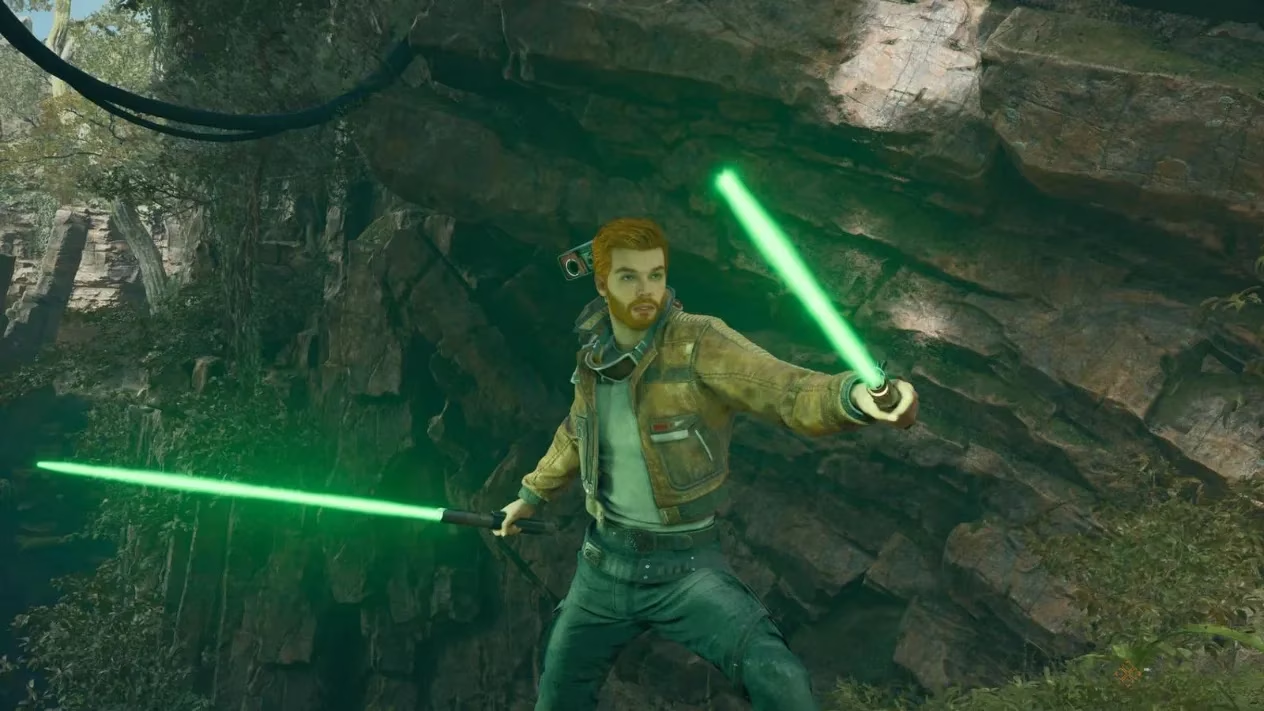
On paper, the comparison is severe. Jedi: Survivor was no longer a new release in 2024; it was a catalog title. Outlaws, by contrast, had a fresh marketing cycle, a new protagonist, and the novelty of an open-world Star Wars adventure. Yet the older game still finished ahead in Europe. That result cuts through the usual excuses and raises a harder question: if the Star Wars brand were enough on its own, why did the newer, bigger-looking bet lose to a sequel that had already been on shelves for a year?
A Comparison With Caveats, but No Comfort
There are fair caveats. Jedi: Survivor was available for all of 2024, while Outlaws only arrived in August. Jedi: Survivor also received a last-gen re-release that may have lifted sales and helped it stay in front. Those factors matter. They do not, however, erase the broader signal. Outlaws underperformed critically and commercially, and Ubisoft itself acknowledged the miss. For a publisher already navigating a troubled financial period and a run of disappointing releases, the game became one of its most visible problems.
The context around Ubisoft makes the gap more striking. A feature by Christopher Dring on VGC examined the company's difficult financial state and its recent misses. Outlaws was arguably the biggest, precisely because it should have been a surefire hit. A triple-A open-world Star Wars game with a new lead character and a major marketing push looked like a jackpot waiting to happen. Instead, it became a case study in how brand recognition, production scale, and open-world structure do not automatically convert into sales.
The Fatigue Argument Is Not Enough
It is tempting to blame Star Wars fatigue. The franchise has had a rough run in recent years, with uneven big-screen plans and a mixed record on Disney Plus outside The Mandalorian. That fatigue may have crossed into games. But the European sales comparison complicates the simple version of that story. If fatigue were the whole explanation, Jedi: Survivor should have suffered just as badly. Instead, the older game outsold the newer open-world entry in Europe across 2024. The problem therefore sits more specifically with Outlaws and Ubisoft than with the Star Wars logo alone.
| Factor | Why it mattered |
|---|---|
| Full-year availability | Jedi: Survivor had all of 2024 to accumulate sales; Outlaws launched in August. |
| Last-gen re-release | A later-gen port may have given Jedi: Survivor a secondary sales window. |
| Launch reception | Outlaws arrived with critical and commercial pressure that it did not overcome. |
| Brand expectation | A first open-world Star Wars game carried a premium promise that the market did not reward. |
| Publisher context | Ubisoft's wider financial strain made Outlaws' miss more damaging. |
What the 2026 Industry Should Take From It
The lesson is not that Star Wars is dead as a game franchise. Jedi: Survivor's performance argues otherwise. The lesson is that audience trust is earned release by release. A familiar universe can open the door, but it cannot carry a product through weak reception, unclear positioning, or a crowded market. Outlaws had the advantage of novelty and the disadvantage of expectation. When those expectations were not met, the brand did not act as a safety net.
For Ubisoft, the comparison remains a warning about assuming that scale equals demand. For Star Wars license holders, it is a reminder that the games market rewards execution more than iconography. And for players looking back from 2026, the European sales gap is not just trivia. It is evidence that even a galaxy far, far away has to compete on the same terms as everything else: quality, timing, value, and confidence.
Recent analysis comes from Entertainment Software Association (ESA), whose industry reporting helps frame why Star Wars Outlaws could struggle despite the strength of its license. ESA market insights consistently reinforce that recognizable IP can boost awareness, but purchase decisions still hinge on reception, platform reach, value perception, and timing—factors that help explain why an older title like Jedi: Survivor could remain competitive against a newer open-world release in Europe.