
Star Wars Outlaws Syndicate Reputation: A 2026 Guide to Surviving the Outer Rim
Star Wars Outlaws has settled into its afterlife as one of the more distinctive open-world crime sandboxes in the Star Wars canon, and in 2026 its Syndicate Reputation system remains the beating heart of its survival loop. For Kay Vess, reputation is not a cosmetic meter tucked away in a menu; it is a gravitational field that bends routes, prices, greetings and threats around her. The four criminal syndicates of the Outer Rim watch what she does, remember who she helps and punish who she crosses. The result is a system that rewards opportunism while making betrayal expensive.
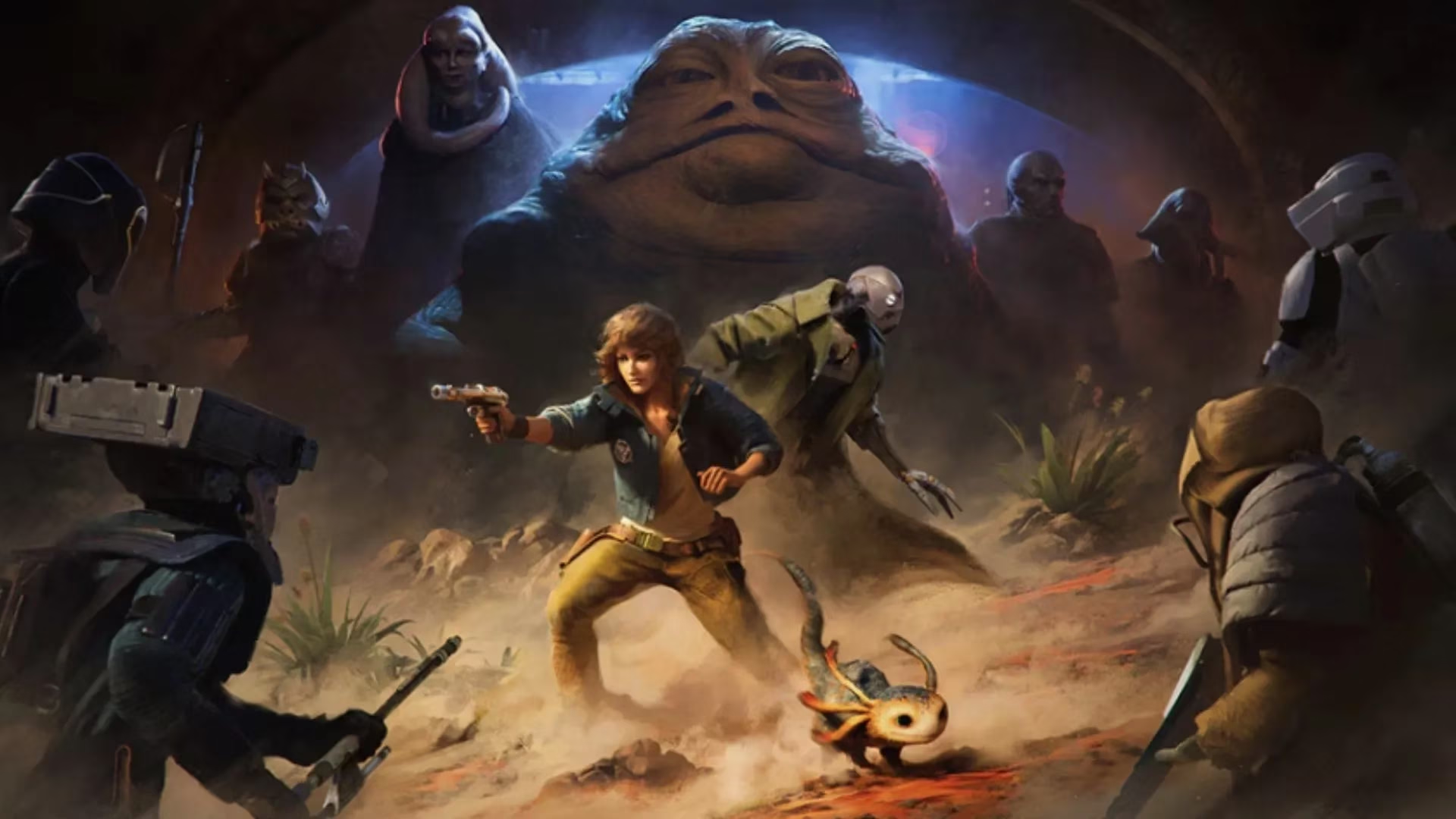
Why Syndicate Reputation Matters
Reputation shapes three broad areas of play. First, it determines how a syndicate interacts with Kay. A high-standing operative may walk through syndicate territory with little more than a suspicious glance, while a disliked one can find blaster fire, ambushes and assassins becoming part of the commute. Second, reputation controls opportunities. Trust opens doors to better jobs, improved deals and more profitable contracts. Third, it governs territory access: the higher the reputation level, the more places Kay can enter inside a syndicate's established holdings.
Positive standing also unlocks practical rewards, including gear items and charms, and some reputation levels can alter gameplay in specific ways. Negative standing brings the opposite effect. Kay can be hunted by syndicate assassins, which turns ordinary traversal into a risk assessment. For players returning to the game in 2026, the core lesson remains unchanged: survival in the Outer Rim is less about picking one friend and more about keeping several dangerous parties from deciding that Kay is a problem worth solving.
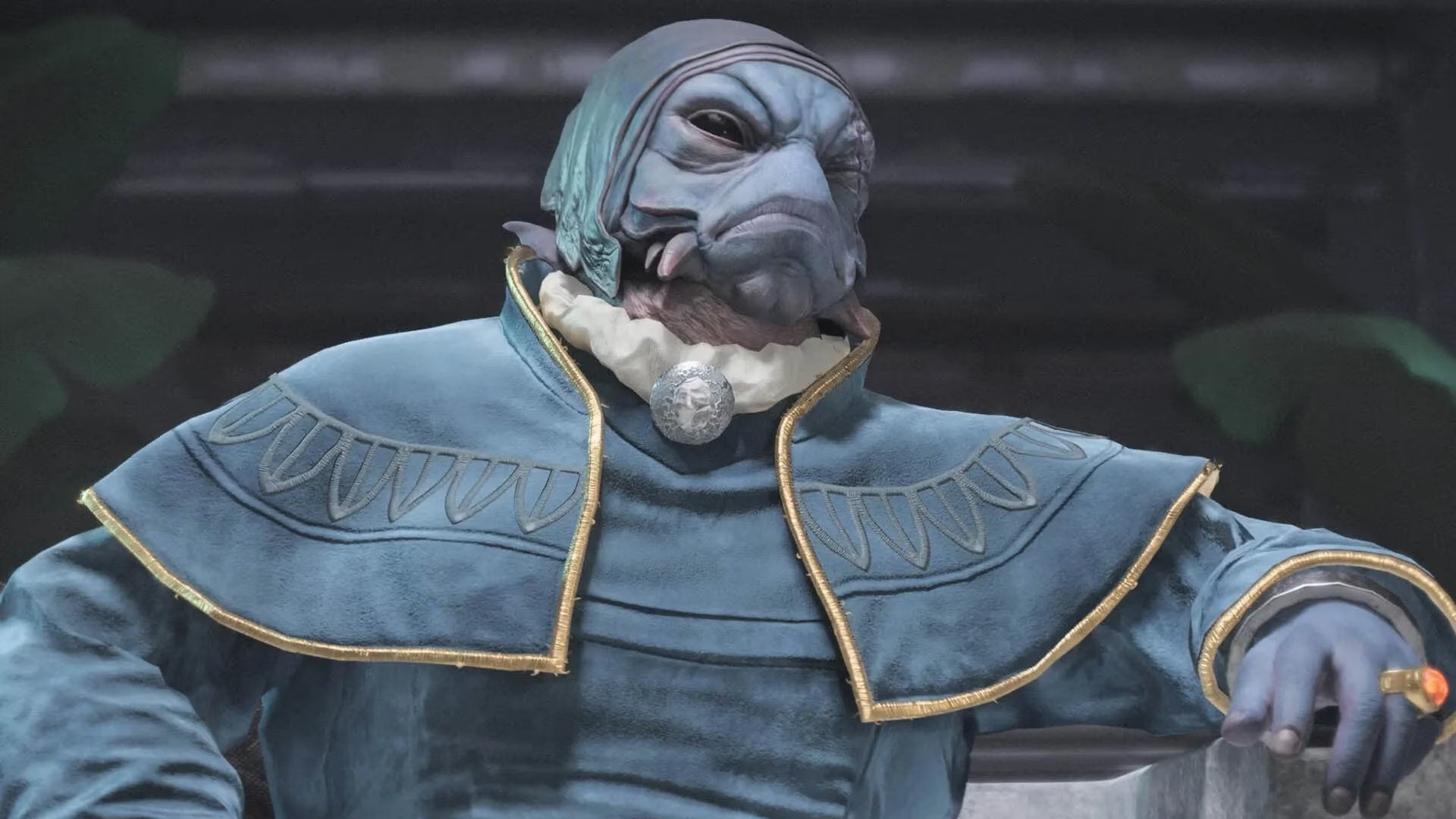
How to Check Syndicate Reputation
The reputation menu becomes available only after Kay speaks with Danka in Makal's Gambling Parlor following entry into Gorak's Suite. Once unlocked, the menu sits in the same area as the map, with a Reputation tab at the top of the screen. From there, players can browse every syndicate Kay knows about and see a brief overview of current standing. Selecting a syndicate opens a more detailed screen with four tabs.
| Tab | What It Shows |
|---|---|
| Reputation | Current standing, benefits, restrictions and a detailed display of the selected syndicate's view of Kay |
| Rewards | Items earned by increasing reputation, including unlock requirements |
| Contract Brokers | Available brokers and contracts tied to the selected syndicate |
| Merchants | Known vendors associated with the syndicate, often with discounts at good reputation or higher |
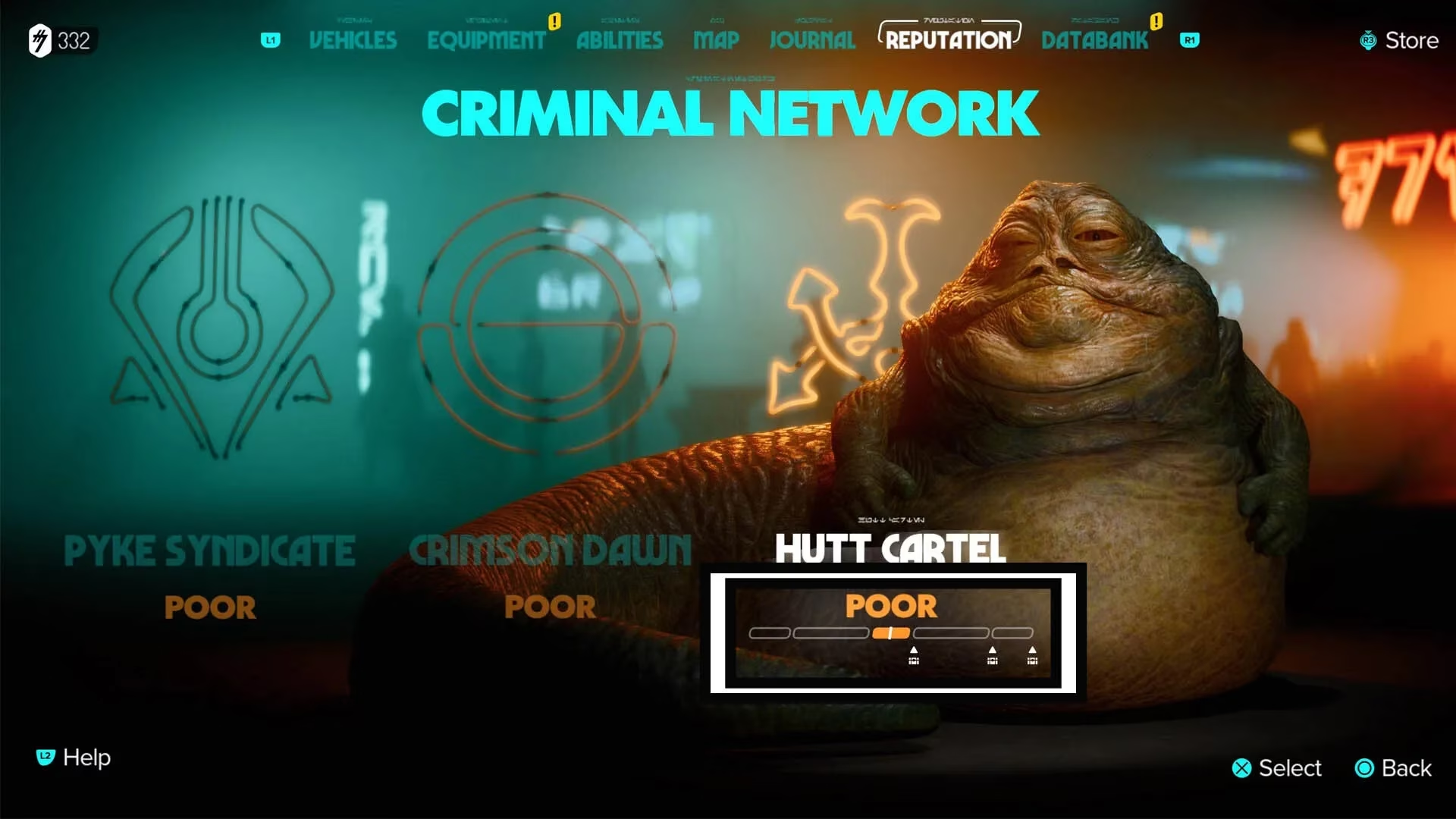
That menu is a thermal detonator with a polite label: it looks tidy, yet opening it reveals what could quietly end a run. A player who ignores the ledger may discover too late that a once-friendly syndicate has moved from useful ally to active threat.
The Four Syndicates at a Glance
At first, players learn of only three syndicates, but four are present in the game. Each has a distinct personality, territory and reason to be handled carefully.
| Syndicate | Identity and Territory | Known For | Caution |
|---|---|---|---|
| Pyke Syndicate | Wealthy and traditional; first encountered on Toshara | Spice Mine on Kessel, slave labour, black-market supplies and smuggling | Old, established and galaxy-spanning, with starfighters, freighters, advanced weaponry and credits |
| Crimson Dawn | Secretive, led by Lady Qi'ra; first contact through Eleera in Makal's Gambling Parlor on Toshara | Spies, double agents and starting fights between rival syndicates | Sophisticated and deadly; turning one's back is unwise |
| Ashiga Clan | Melitto hive built on hierarchy; dominated by Queen Ashiga on Kijimi | Collective honour code and strict usefulness to the group | Outsiders are judged by utility, not sentiment |
| Hutt Cartel | Crime family with Hutt Space in the Outer Rim and power in many places | Smuggling, slavery and taxing hyperspace lanes | Holds grudges and always collects what is owed |
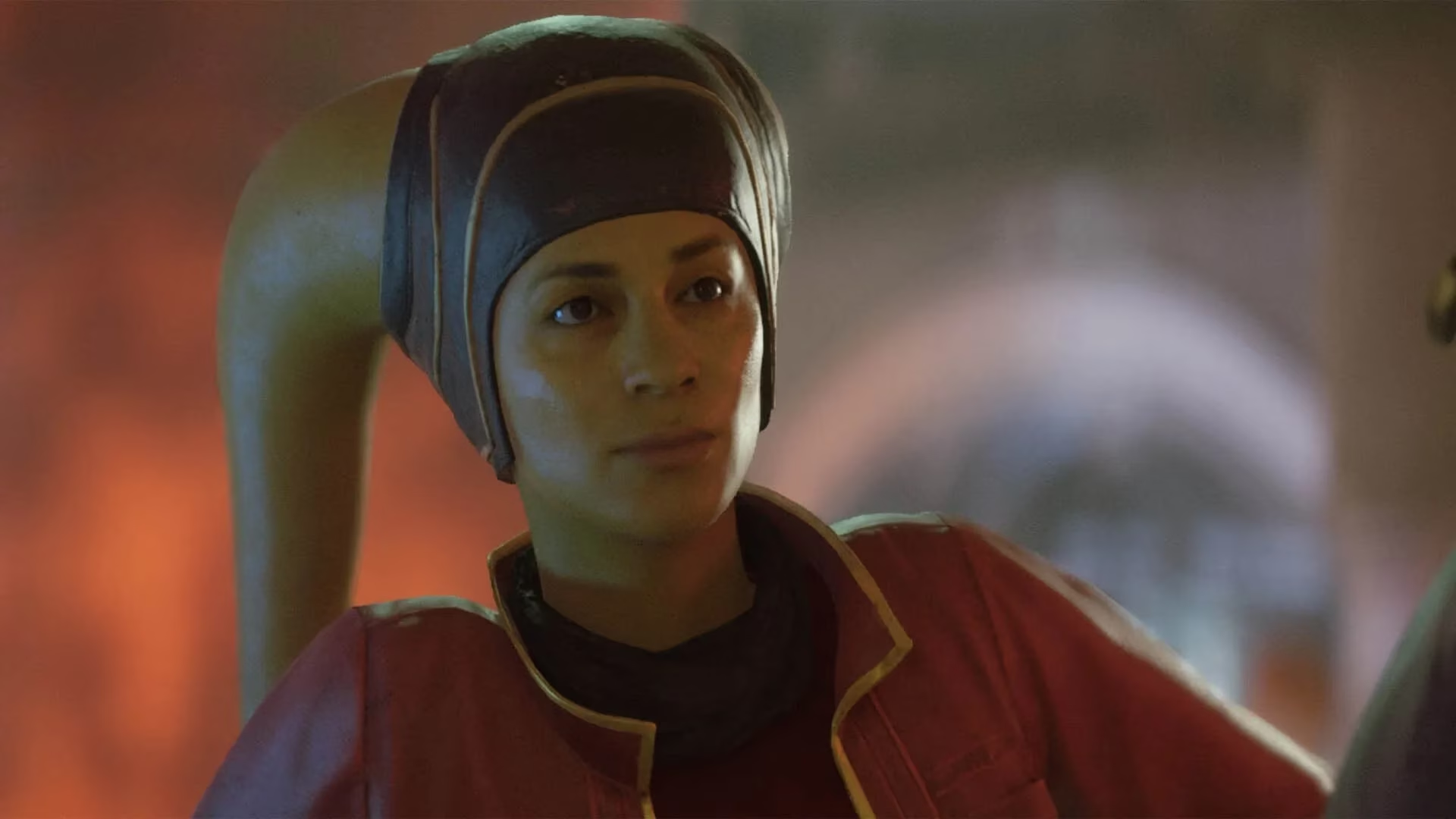
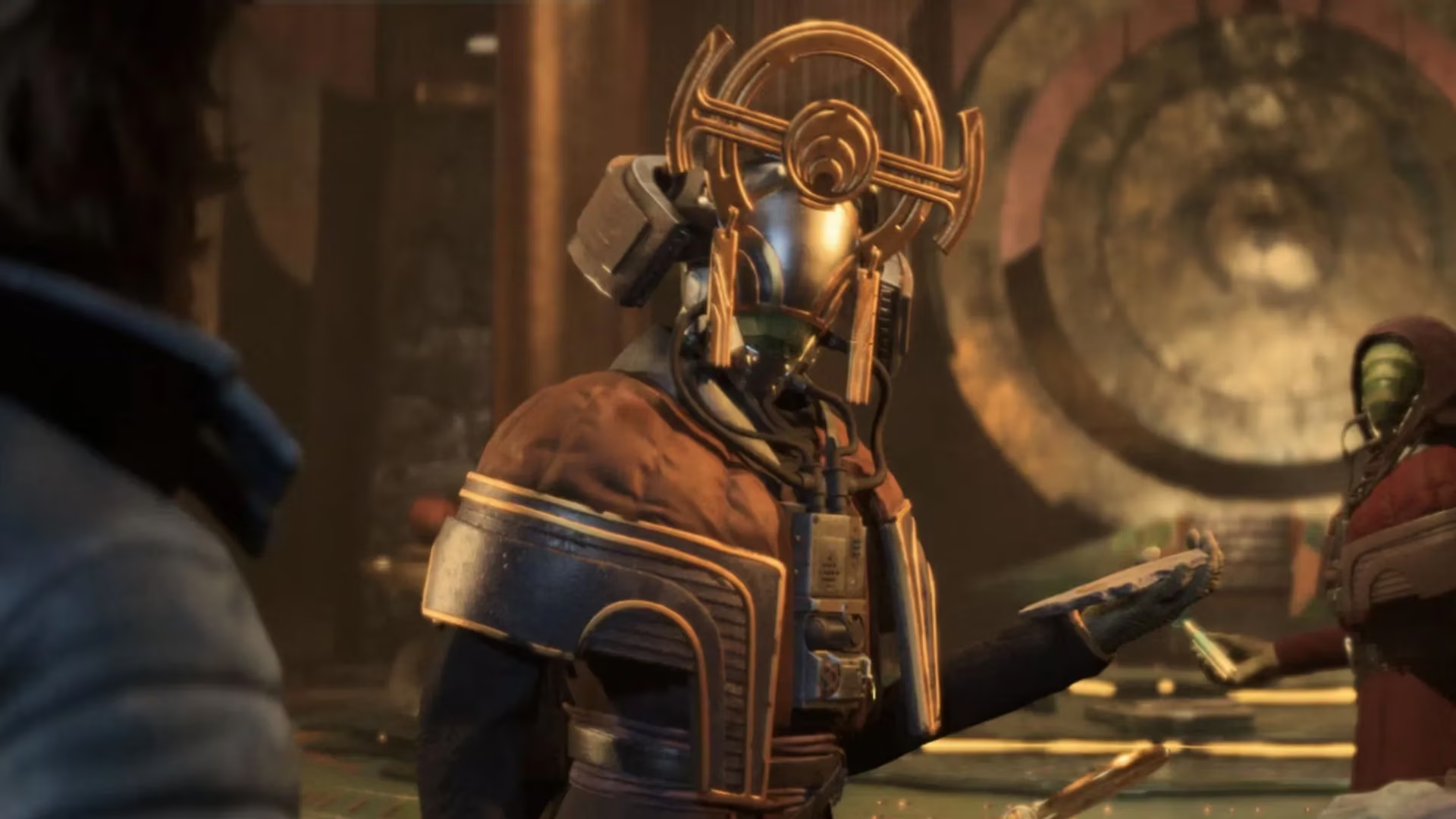
The Pyke Syndicate is the first major force many players meet on Toshara. It values status and tradition, and its wealth is backed by criminal enterprises that stretch across the galaxy. The Crimson Dawn is a different kind of danger: a secretive organisation that returned from apparent disappearance under Lady Qi'ra and thrives on espionage, manipulation and rivalries between other syndicates. The Ashiga Clan dominates Kijimi through a Melitto hive built on collective duty and a strict honour code, which sounds noble until outsiders realise they are measured almost entirely by usefulness. The Hutt Cartel needs little introduction. Its name alone inspires fear, and its centuries-old crime family has built power through smuggling, slavery and control of hyperspace lanes.
The Balancing Act
Syndicate goodwill is a borrowed speeder with a faulty ignition: useful for a while, but never truly owned, and liable to strand the borrower at the worst possible moment. In 2026, the most effective approach is still careful balance rather than blind loyalty. Players should check the reputation ledger regularly, weigh which rewards and territory access matter for the current objective, and avoid burning a syndicate unless the payoff justifies the risk of assassins, locked doors and hostile territory.
🚨 The Outer Rim does not reward sentiment. It rewards preparation, leverage and a clear understanding of who is watching.