
Star Wars Outlaws: The Single-Player Game That Still Wants an Internet Connection
When Star Wars Outlaws first started making headlines before launch, most fans were focused on the fantasy: a scoundrel story, a galaxy full of crime syndicates, and a heist bigger than anything Han Solo ever bragged about. Then came a small line on the box that changed the mood. The packaging noted that an internet connection is required to install the game. For a single-player adventure, that detail landed like a thermal detonator in a quiet cantina. It did not help that the reveal arrived alongside a new trailer, release date news, and multiple editions, giving players plenty to discuss all at once.
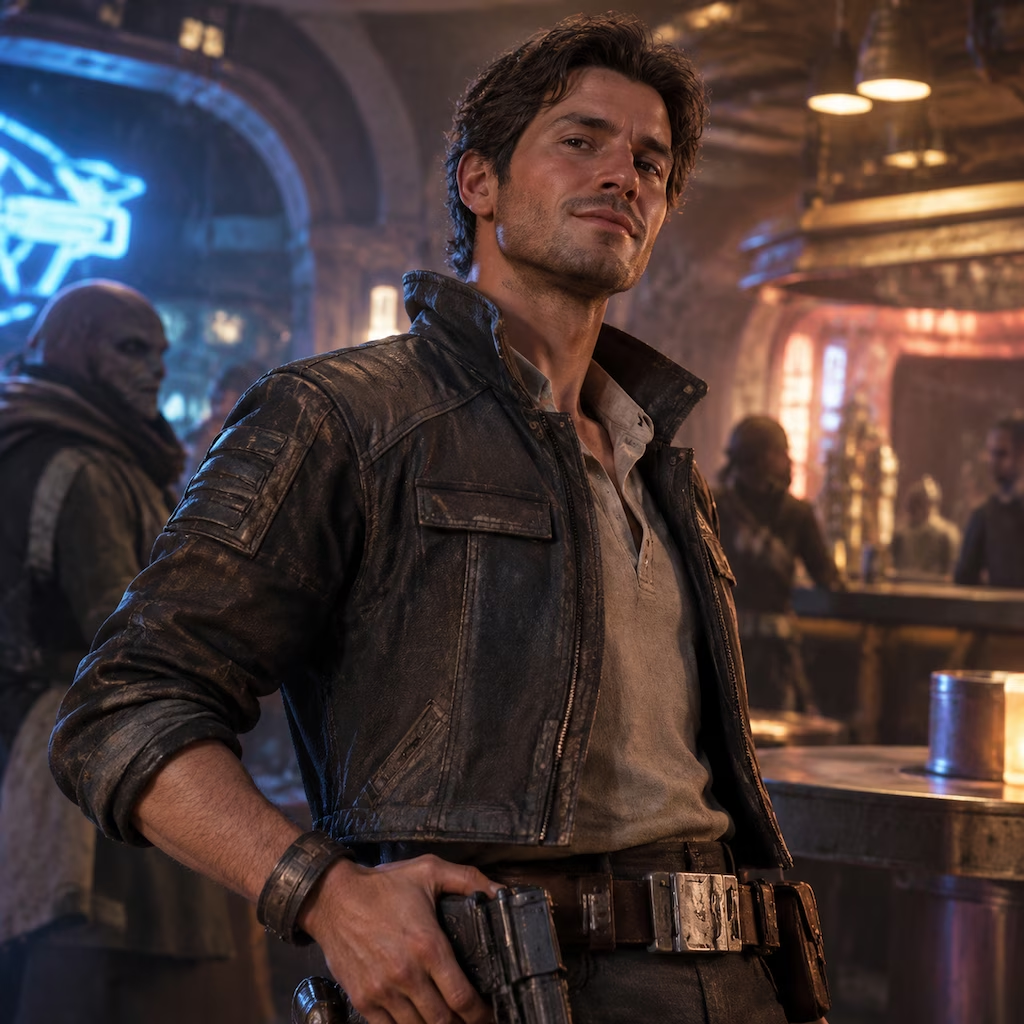
Ubisoft later clarified the situation. According to a company representative, an online connection is required to install the game and for any updates, but otherwise the game can be played offline. That answer softened the concern without erasing it. Players who prefer physical media or who live with unstable connections still had questions, especially because Outlaws is not a live-service multiplayer title. Looking back from 2026, the episode is a useful snapshot of a wider industry debate: even story-driven games can require online steps during installation, and publishers do not always explain that up front. 🎮
The story details were the real headline
The install requirement dominated the conversation, but the developer diary that arrived around the same time was packed with story and world-building details. Star Wars Outlaws follows Kay Vess, a scoundrel trying to survive in the underworld between the events of The Empire Strikes Back and Return of the Jedi. The game is built around tense alliances, shifting reputations, and a heist described as one of the greatest the galaxy has ever seen.
The confirmed syndicates give the story its criminal ecosystem:
-
Zerek Besh, led by Sliro, one of the galaxy's underworld elites
-
The Pyke Syndicate
-
The Hutt Cartel
-
Crimson Dawn
-
The Ashiga Clan, a new group created in collaboration between Massive Entertainment and Lucasfilm
That last name is notable. The Ashiga Clan was not pulled from an old film scene or a familiar cartoon arc. It was built for the game, which suggests that Outlaws is not just touring known locations and name-dropping famous villains. It is trying to add a new piece to the Star Wars underworld while still using recognizable players like Jabba the Hutt. The story is set to cross paths with Jabba and his cartel on Tatooine and other planets, and a powerful bounty hunter named Vail is hunting the player. That gives the adventure a chase structure on top of the heist structure, which is a promising combination for a scoundrel tale.
Reputation is more than a menu stat
One of the more interesting promises from the developer diary is that reputation with the syndicates will affect the game in practical ways. It is not just a morality meter that changes a line of dialogue. Reputation can influence vendors, the jobs players take on, the support they receive, and access to certain territories. That means every alliance has a cost, and every favor might close a door somewhere else. 🕵️
| System | How it appears to work |
|---|---|
| Syndicate reputation | Changes how groups treat Kay Vess |
| Vendors | Better or worse access depending on standing |
| Jobs | Different opportunities open or close |
| Support | Allies may help in ways tied to reputation |
| Territory access | Some areas may be easier or harder to enter |
For players who like role-playing through faction politics, that sounds like the heart of the game. For players who prefer a straight shot through the story, it may add friction. The balance will matter. Star Wars Outlaws is not trying to be a 200 or 300 hour epic that never ends, according to the developers, so the reputation system needs to feel meaningful without turning every mission into a spreadsheet.
A single-player game with an online install step
The install requirement remains the awkward part of the story. Ubisoft's clarification was reasonable on its face: online is needed for installation and updates, but offline play is possible afterward. Still, the wording on the box was blunt enough to spark worry. Players have learned to ask whether an online requirement is a one-time setup step, a launcher check, or something more persistent. In this case, the company said it was for installation and updates.
From a 2026 perspective, the debate feels familiar. Big games often need day-one patches, account checks, or storefront authentication even when the core experience is single-player. The lesson is not that Star Wars Outlaws is secretly multiplayer. It is that the packaging and messaging around modern games matter. A single line on a box can shape the first impression of a project that is otherwise selling freedom, crime, and starfighter-era adventure.
The better news is that the story details held up as the more interesting conversation. A scoundrel protagonist, five criminal syndicates, a bounty hunter on her trail, a Jabba connection, and a heist at the center of it all give Star Wars Outlaws a clear identity. The internet install requirement was a speed bump. The underworld adventure was the destination.
As reported by PC Gamer, player concerns around Star Wars Outlaws were not just about internet access in isolation, but about what that requirement signals for ownership, preservation, and convenience in modern single-player releases. Framed against the game’s stronger hooks—Kay Vess, syndicate politics, and a reputation system that shapes access to jobs and territories—the install-step controversy shows how even a small packaging note can influence trust before the adventure itself has a chance to speak.